
Contemporary art often sparks strong reactions, curiosity, excitement, confusion, and sometimes skepticism. Because it can look very different from traditional painting or sculpture, a number of myths have grown around it. Let’s clear up a few of the most common misconceptions.
Myth 1: “Contemporary art isn’t real skill - anyone could do it.”
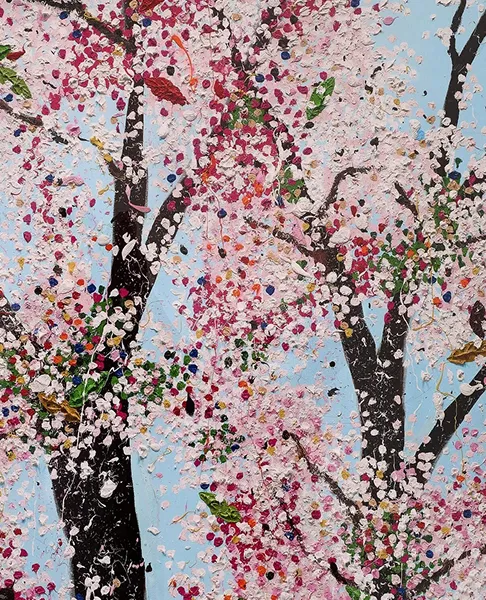
This is probably the most frequent statement people make when encountering contemporary work for the first time. While some pieces may appear simple, the skill behind them often lies in concept, materials, and execution rather than traditional draftsmanship alone.
Many contemporary artists spend years developing techniques, researching ideas, and refining their visual language. Even works that appear minimal or spontaneous are usually the result of extensive experimentation and decision-making.
Check out this work by Damien Hirst:
Myth 2: “It’s all random or meaningless.”
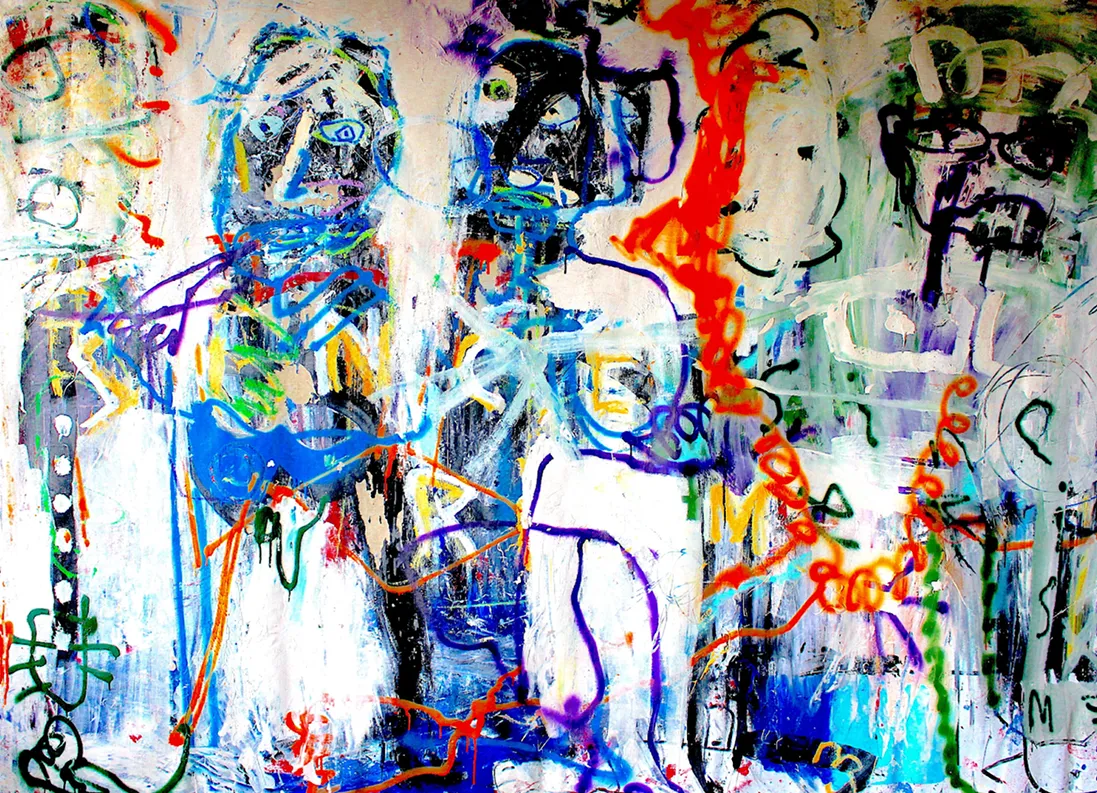
Contemporary art can be abstract, symbolic, or conceptual, which sometimes makes its meaning less immediately clear. That doesn’t mean there is no meaning, only that it may not be literal or singular.
Artists today frequently explore themes such as identity, environment, technology, memory, or social change. Often, the goal is not to give one fixed message but to invite viewers to interpret the work through their own experiences. In this sense, contemporary art can be more like a conversation than a statement.
Check out this work by James Green:
Myth 3: “You need to be an expert to understand it.”
You don’t need an art degree to appreciate contemporary art. In fact, personal response is an important part of the experience. Asking simple questions can open up a work in meaningful ways: What catches my eye first? How does this make me feel? What materials or textures stand out? What might the artist be exploring?
Background information can enrich understanding, but curiosity and openness are far more important than specialised knowledge.
Check out this Picasso:

Myth 4: “Contemporary art is always strange or shocking.”
Some artists do intentionally challenge expectations, but much contemporary art is subtle, poetic, or visually beautiful. There are works that focus on color, landscape, craftsmanship, or quiet observation just as much as there are works that provoke or surprise.
Media coverage often highlights the most sensational examples, which can create a skewed impression. Visiting galleries or exhibitions regularly reveals the wide range of styles and approaches that exist today.
Check out this Janet Massey:

Hidden Glade
Myth 5: “It’s only for wealthy collectors.”
While high-profile auction sales sometimes make headlines, contemporary art exists at many price points. Prints, works on paper, photography, and smaller paintings can be accessible to first-time buyers.
At Amber we actively encourage new collectors and are happy to answer questions about starting a collection, caring for artwork, and choosing pieces that fit both taste and budget. Collecting art is less about wealth and more about connection and living with works that resonate personally.
Contemporary art isn’t about having the “right” interpretation or reacting in a particular way. It’s about noticing, thinking, and feeling. Whether a work intrigues, delights, or challenges you, that reaction is a meaningful part of the experience.
And sometimes, the most rewarding works are the ones that take a little time to unfold!


